Driver Compliance & DOT Compliance
THC Rescheduling: What It Means (and Doesn’t Mean) for DOT-Regulated Employers
June 1, 2026
4 min read
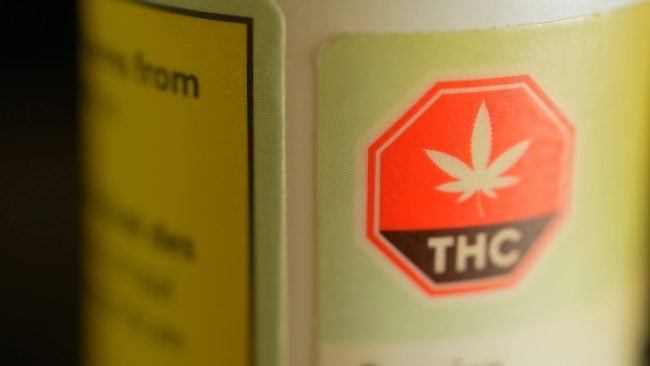

Clearing up confusion around marijuana laws and DOT compliance
There’s been a lot of attention recently to the federal government’s proposal to reschedule marijuana and understandably, many employers and drivers are asking: “Does this change anything for DOT drug testing?”
The short answer: No, DOT regulations have not changed. But the details matter, especially for employers managing safety-sensitive employees.
What is THC Rescheduling?
The U.S. government, through the Drug Enforcement Administration (DEA), has proposed moving marijuana from a Schedule I drug to a Schedule III drug under the Controlled Substances Act.
What that means:
- Schedule I = high potential for abuse, no accepted medical use (federal classification)
- Schedule III = accepted medical use, lower potential for abuse
This shift reflects evolving views on marijuana at the federal level, but it does not automatically change workplace drug testing rules, especially for DOT-regulated programs.
DOT’s Position: Nothing Has Changed
The U.S. Department of Transportation (DOT) has been very clear: Marijuana remains prohibited for safety-sensitive employees regardless of state laws or federal rescheduling. Under 49 CFR Part 40, marijuana (THC) is still one of the five drugs tested in the standard DOT panel. This means a positive THC test is still a violation.
- There is no acceptable medical explanation for a positive marijuana result under DOT rules.
- State legalization does not override DOT regulations.
- Medical marijuana cards are not valid for safety-sensitive employees.
Why Rescheduling Doesn’t Change DOT Compliance
Even if marijuana is moved to Schedule III, DOT-regulated testing is governed by federal safety rules, not just drug classification. Here’s why it still matters:
1. Safety-Sensitive Positions Are Held to a Higher Standard
DOT employees (CDL drivers, pipeline workers, aviation employees, etc.) perform duties where impairment can have serious consequences. DOT’s priority is safety not legality.
2. DOT Drug Testing Is Separate from General Federal Drug Policy
Rescheduling affects:
- Research
- Prescriptions
- Criminal enforcement
But DOT testing requirements are based on:
- Public safety risk
- Impairment concerns
- Long-standing federal regulations
3. There Is Still No Approved “Safe Level” of THC
Unlike alcohol, there is:
- No established impairment threshold
- No standardized way to measure real-time impairment
Because of this, DOT continues to enforce a zero-tolerance standard for marijuana.
What Employers Need to Watch Closely
Even though the rules haven’t changed, the confusion has increased—and that’s where risk comes in. We’re already seeing:
- Employees assuming marijuana is now “allowed”
- Misunderstandings about medical marijuana protections
- Increased questions about CBD and THC exposure
👉 This is where clear communication is critical.
Key Takeaways for DOT-Regulated Employers
- Marijuana is still prohibited under DOT regulations.
- A positive THC test is still a violation.
- Medical marijuana is not an acceptable explanation.
- Rescheduling does not change testing requirements.
- State laws do not override federal DOT rules.
What about CBD Products?
This is another growing area of concern. Even though CBD is widely available:
- Many products contain trace amounts of THC.
- Labeling is not always accurate.
- Use can still result in a positive drug test.
DOT’s stance remains: Employees are responsible for what they put into their bodies.
How to Protect Your Company
With increased confusion, now is the time to:
- Review and update your drug & alcohol policy language.
- Reinforce expectations with employees.
- Provide education on marijuana, CBD, and DOT rules.
- Ensure your testing program is fully compliant.
Final Thoughts
Marijuana rescheduling may signal a shift in federal policy—but for DOT-regulated employers, nothing has changed where it matters most: safety and compliance. The risk today isn’t the regulation, it’s the misunderstanding. Staying proactive, clear, and consistent with your policies will help ensure your company remains compliant, no matter how the landscape evolves.
Need Help Navigating DOT Drug & Alcohol Compliance?
From policy updates to random testing management, having the right partner ensures you stay compliant, even as regulations and public perception continue to shift. Contact the compliance and safety experts at ITI today to learn how our random drug and alcohol testing programs can protect your operation and keep your policies fully compliant.
Related Articles
Driver Compliance & DOT Compliance
Navigating the Rise in Non-Domiciled CDL Enforcement: What Carriers Need to Know
The trucking industry is seeing increased attention from regulators regarding non-domiciled Commercial Driver’s Licenses (CDLs).

Driver Compliance & DOT Compliance
DOT Audit Trends: What Carriers Need to Know
Audits conducted by the Federal Motor Carrier Safety Administration (FMCSA) are becoming more data-driven, targeted, and detailed than…